Automatic Watch Winder: How to Choose the Right One?


An automatic watch is designed to live to the rhythm of the wrist. Its movement recharges through everyday gestures, driven by an oscillating weight that progressively winds the mainspring. However, when left unworn for several days, the watch stops. It must then be reset, and its date, calendar, or complications meticulously adjusted before its movement can be restarted.
The automatic watch winder exists to address this exact situation. Its primary function is simple: to keep the watch in motion when it is off the wrist. Yet, for a valuable timepiece, this definition remains incomplete. An automatic watch requires more than mere winding. It deserves to be carefully preserved in a stable, elegant environment designed to respect its mechanics.
At Maison LAC, this vision takes the form of a more comprehensive concept: the Adaptive Time Preservation System. It is not simply about rotating a watch, but about preserving time, the movement, and the horological object as a whole.
Why Use an Automatic Watch Winder?
An automatic watch winder maintains the movement's activity when the watch is unworn. This prevents prolonged stops, limits repeated time-setting, and facilitates the use of watches featuring complex complications.
For collectors, the benefit is even more pronounced. When a watch is worn in rotation with other pieces, it may remain in a case for several days. A tailored preservation system allows it to be retrieved ready to wear, without excessive handling.
But the role of an exceptional winder is not limited to rotation. It must accompany the watch gently, respect the caliber, and integrate naturally into the environment in which it rests.
Essential Criteria for Making the Right Choice
Choosing a watch winder depends on several criteria. The first is compatibility with the caliber. Not all automatic watches have the same requirements regarding turns per day (TPD) or direction of rotation. Some movements wind in a specific direction, while others require bidirectional rotation.
The second criterion is the quality of the motion. A rotation that is too abrupt, too frequent, or poorly adapted offers no real benefit. The winder must operate with regularity, silence, and stability.
The third criterion concerns protection. An automatic watch is a sensitive object: it must be held securely, protected from friction, dust, and unnecessary handling.
Finally, aesthetics matter. A winder designed to house a prestigious timepiece cannot be conceived as a mere technical device. It also becomes a showcase—an object of presence and contemplation.
The Adaptive Time Preservation System: A More Comprehensive Approach

Maison LAC does not reduce the winder to a mere mechanical function.
The Adaptive Time Preservation System expresses a broader approach to horological conservation.
The idea is to consider the watch as a whole: its movement, its value, its presence, its use, and the time it traverses. Rotation is part of the system, but it is not its sole dimension. Silence, stability, material quality, protection, and the elegance of the case all contribute to this preservation.
This approach caters to automatic watch enthusiasts who seek not just a practical accessory, but a solution consistent with the value of their collection.
In this spirit, Maison LAC develops VIGIL TEMPORIS®, a vision dedicated to accompanying automatic watches at rest. The principle remains pure and accessible: to preserve regularity, accompany the movement, and offer the watch an environment purposefully designed for it.
A Showcase for Movement and Material
A high-end winder must protect the watch while also showcasing it. The choice of materials therefore plays an essential role.
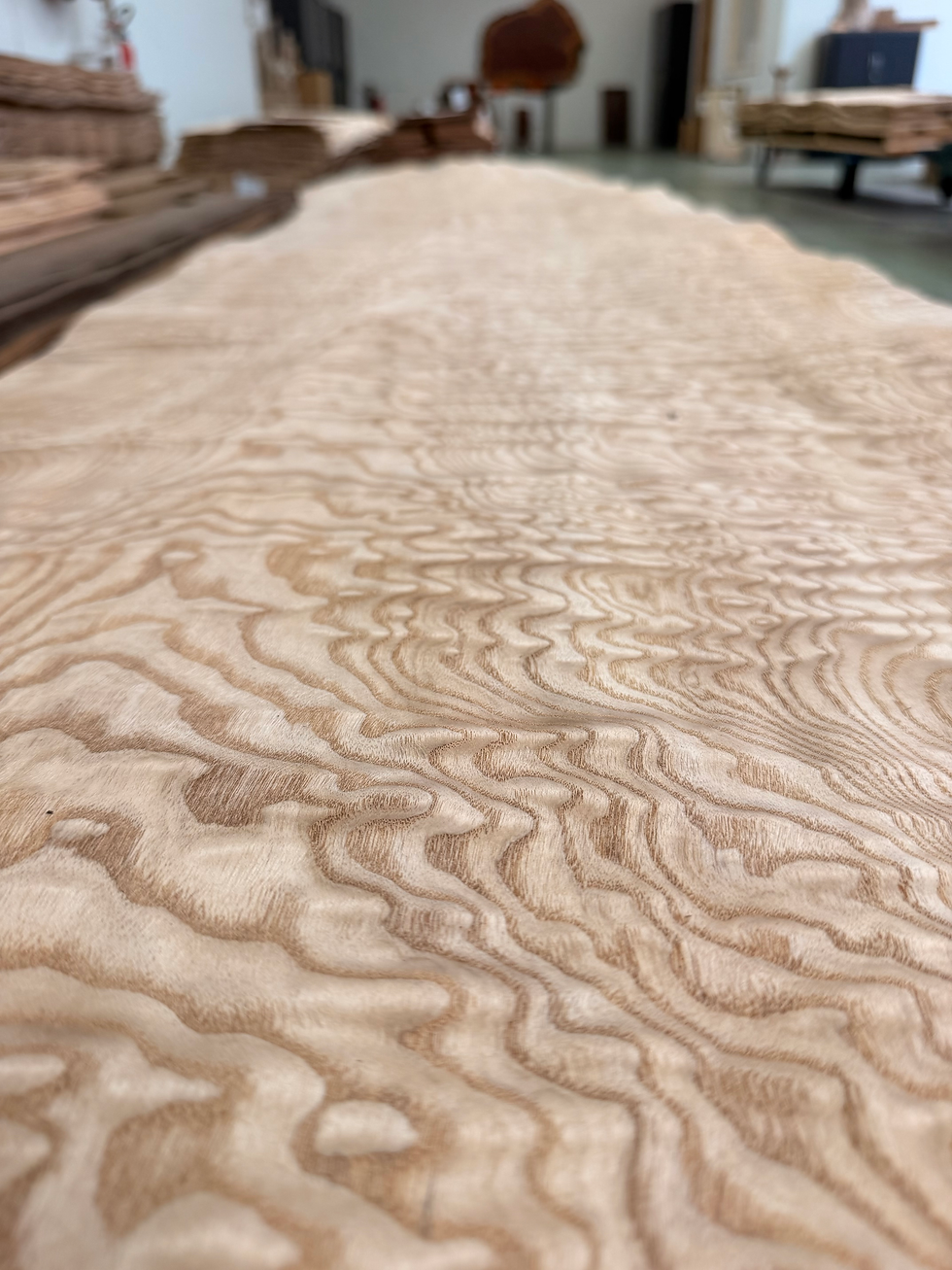
Wood brings warmth, depth, and nobility. Leather evokes the precision of the craftsman's gesture, comfort, and elegance. The finishes, the interior of the box, the quality of the cushion, and the absolute discretion of the mechanism transform the object into a true horological sanctuary.
The watch is no longer merely stored. It is welcomed.
It is this relationship between technique and material that gives the system its full value. Preserving time relies just as much on mechanics as it does on the art of presenting and protecting the object.
Conclusion
Choosing an automatic watch winder is not simply selecting a device capable of turning a watch. It is choosing a way to preserve a mechanical masterpiece when it is not being worn.
For Maison LAC, this endeavor is part of a more ambitious vision: the Adaptive Time Preservation System. An approach that unites controlled rotation, horological care, protection, silence, and the unmatched quality of the case.
The winder thus becomes more than an accessory. It becomes a discreet guardian of movement, material, and time.


Comments