Watch box: precious wood or traditional leather?


Choosing a watch box is not simply about finding an elegant storage solution. For a collector, the case becomes a natural extension of horological passion. It protects timepieces, organizes the collection and enhances each watch when it is selected, observed or passed on.
Two major material worlds often dominate high-end watch boxes: precious wood, associated with structure, permanence and the art of fine cabinetry; and traditional leather, more tactile, supple and intimate. One evokes the heritage object, the other the daily gesture and the sensuality of fine leatherwork.
So, should you choose a wooden or leather watch box? The answer depends less on a hierarchy between materials than on your collection, your habits and the atmosphere you wish to create around your timepieces.
The precious wood watch box: structure, stability and presence

Wood holds a special power in the world of art objects. It suggests duration, precision of craftsmanship and the idea of transmission. In a watch box, it brings a strong architectural presence: the case becomes a stable, composed object, almost a piece of furniture.
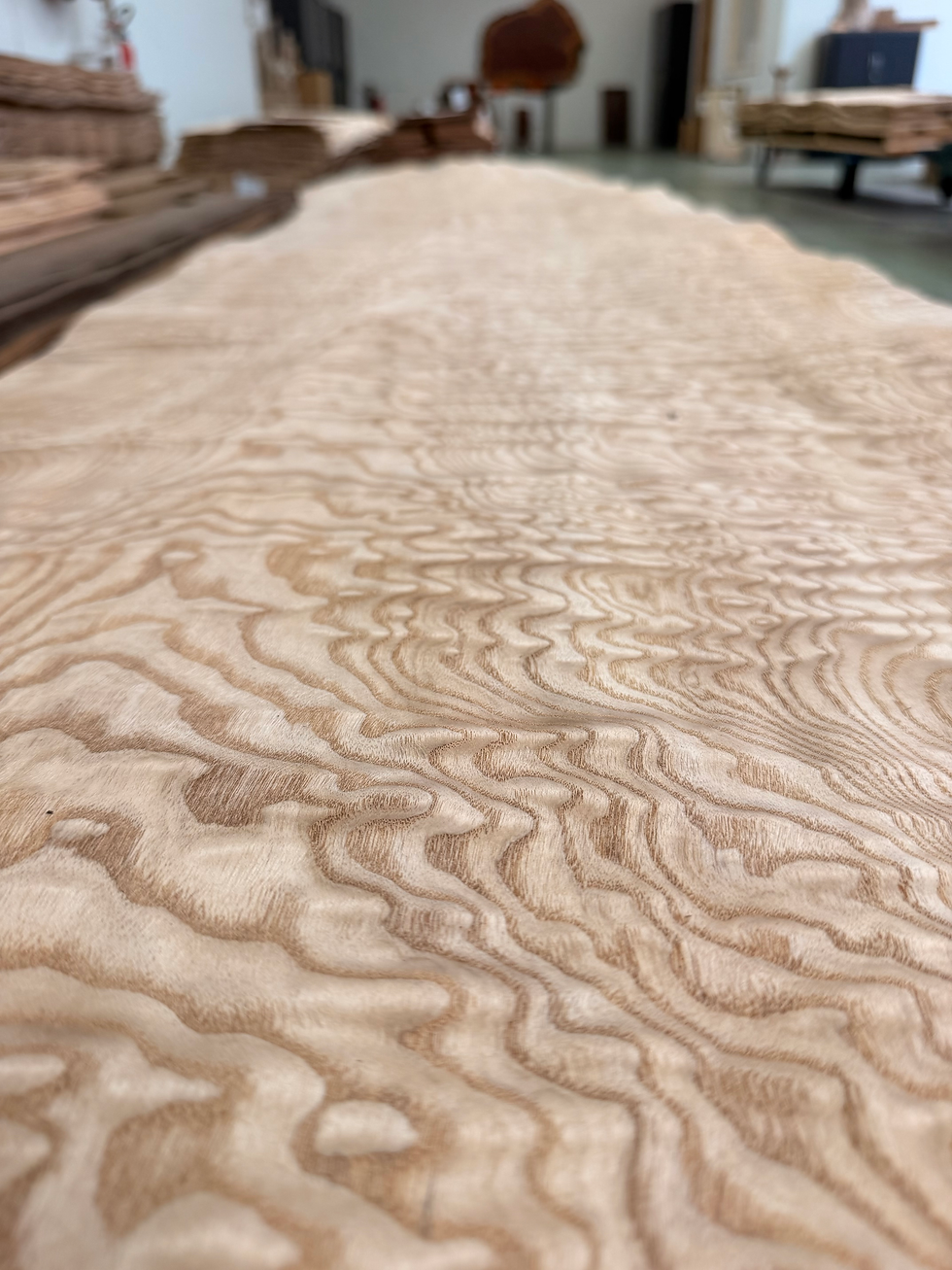
Among the woods appreciated in fine cabinetry, sycamore holds a distinctive place. Its fine grain, natural clarity and satin-like reflections make it possible to create interiors or finishes of great sobriety. It pairs particularly well with classic collections, dress watches, gold pieces and horological complications.
A precious wood watch box also conveys a feeling of protection. The rigidity of the structure is reassuring. The lid, hinges, adjustments and compartments all contribute to the ritual of opening. When the object is well designed, every detail reinforces the idea of a refuge created for the watch.
Wood is therefore especially suited to collectors looking for a durable, stationary case, intended to take its place in an office, library, dressing room or dedicated collection space.
The leather watch box:
touch, suppleness and everyday elegance

Leather tells a different story. Where wood asserts a form of permanence, leather introduces a more tactile and personal relationship. It invites touch. It develops a patina, gains nuance and evolves over time through handling.
A leather watch box naturally belongs to the world of travel, leather goods and luxury accessories. It suits contemporary, sport-chic and neo-vintage collections particularly well. It converses with leather straps, classic car interiors, luggage and objects designed to be handled regularly.
Leather can also bring an immediate sense of warmth. Its surface, grain, visual softness and ability to develop a patina give the box a more intimate dimension. It does not merely seek to protect: it creates a sensory relationship with the collector.
In a high-end watch box, however, the quality of the leather alone is not enough. The work of the leather craftsman is essential. The tension of the hide, the sharpness of the edges, the regularity of the stitching and the quality of the finishes determine the true elegance of the object.
Wood or leather: a question of use as much as style
The choice between precious wood and traditional leather depends first on how you use your watch box.
If your box remains mainly at home, in a dedicated space, wood often stands out through its presence and visual stability. It gives the collection an almost patrimonial dimension. It suits enthusiasts who like to contemplate their watches as a coherent, organized and carefully presented ensemble.
If you are looking for an object with a warmer, softer expression, or one closer to the world of fine leather goods, leather becomes a very natural option. It suits collectors who regularly handle their pieces, change watches according to the moment of the day, or associate their box with a more mobile art of living.
The two materials should therefore not be opposed too rigidly. Wood and leather do not evoke the same imaginary world. One suggests structure and transmission. The other suggests touch, use and patina.
Matching the box to the spirit of your collection
A collection of classic watches, dress pieces or grand complications will often find a beautiful balance in a precious wood watch box. The material reinforces the solemn character of these timepieces and supports their heritage dimension.
Conversely, a collection made up of chronographs, diving watches, sport-chic pieces or contemporary models may pair very well with a leather box. The contrast between the technical nature of the watches and the warmth of the material creates a more current harmony.
The size of the collection should also be considered. A box intended for a few exceptional pieces does not meet the same needs as a storage solution designed for an evolving collection. Cushion size, the space between watches, available height for thicker cases and ease of handling are all essential criteria.
The choice of material should therefore never overshadow the internal architecture of the box. A beautiful case must first respect the watches it holds.
The essential role of the box interior
Whatever the exterior material, the interior remains decisive. It is the part that comes into direct contact with the watches. The cushions must hold the straps without excessive tension. The compartments must prevent contact between cases, crowns and clasps. The surfaces must be soft, clean and suitable for pieces often sensitive to micro-scratches.
A high-end watch box is therefore not judged solely by its appearance. It is also judged by the precision of its internal organization. Ease of use, readability of the collection and access to each watch matter just as much as the choice of wood or leather.
This is also where the difference lies between simple storage and a true case. The first stores. The second protects, organizes and enhances.
What about automatic watches?
A classic watch box allows you to store and protect a collection. But certain automatic watches, especially models with complete calendars, moon phases or perpetual calendars, may require particular attention when they are not worn for several days.
In this case, the watch box does not serve the same purpose as a system dedicated to maintaining the movement. It organizes the collection, but it does not replace a device designed to support the mechanical operation of an automatic watch.
This is where two complementary approaches can be distinguished: the watch box, designed for storage and presentation; and the adaptive time preservation system, designed to accompany certain mechanical pieces in their continuity of use.
Conclusion
Precious wood or traditional leather: the choice of the ideal watch box depends above all on your relationship with your collection.
Wood appeals through its structure, nobility and heritage character. It suits enthusiasts seeking a stable, durable and almost architectural case. Leather, by contrast, offers a more tactile, intimate and evolving relationship. It naturally accompanies contemporary collections and everyday gestures.
In both cases, the material is never merely decorative. It expresses a way of experiencing horology. Choosing a watch box means choosing how your timepieces will be protected, presented and passed on.
Discover our watch cases : HERE


Comments